
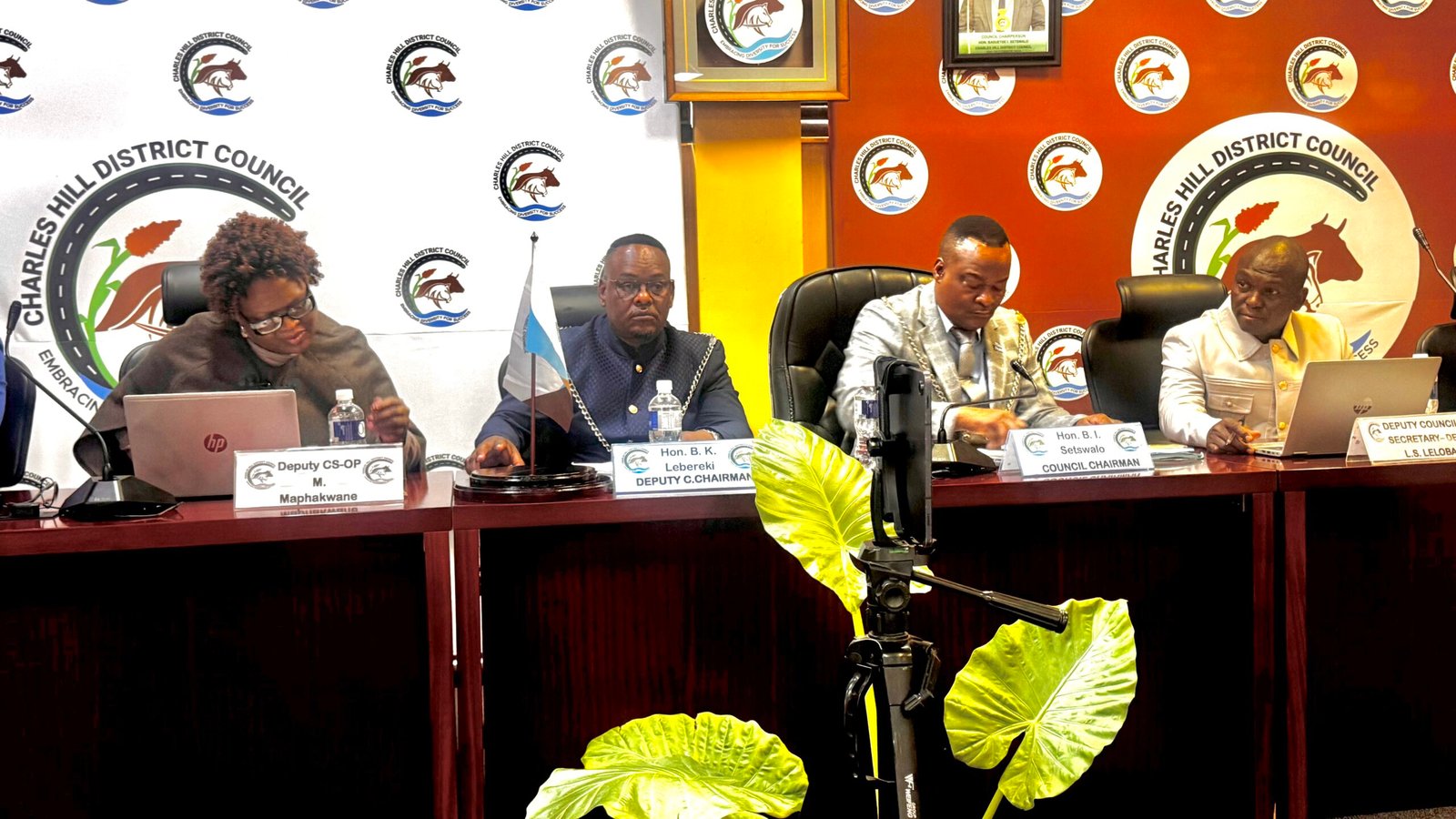
District Councillors call for urgent signing of regulations as evidence of youth vaping and tobacco use sparks alarm.
Local authorities across Botswana are calling for the urgent signing of regulations needed to enforce the Tobacco Control Act, 2021, after being presented with evidence of rising youth vaping and tobacco use and sharing their own experiences of what is happening in their communities.
The call came during the Anti Tobacco Network’s Clean Air Project engagements, which has now reached 16 full councils across the country. As the network concludes this week’s engagements in Chobe, councillors say the message from both urban and rural communities is the same: tobacco and new nicotine products are reaching young people, while authorities lack the full legal tools needed to stop the spread.
Although the regulations required to operationalise the Act have been developed, they remain unsigned.
The delay has become increasingly difficult for local authorities to understand, particularly as evidence presented during the engagements points to growing exposure among children. According to the 2024 Global School-based Student Health Survey, 11.1 per cent of children surveyed reported having used electronic cigarettes at school.
For councillors, the figures reflect what they are already seeing in their communities.
They say children are accessing vapes and other nicotine products, while tobacco products continue to be sold in places where young people can easily obtain them. Without the regulations, authorities say their ability to intervene, regulate vendors and protect children remains limited.
The Tobacco Control Act provides for stronger controls on tobacco sales and packaging, prohibits the sale of tobacco products to people under 21 and protects the public from exposure to tobacco smoke. Government has said the law was intended to establish the right to a smoke-free environment.
However, local authorities say a law that is not fully operational cannot adequately protect the public.
Councillors say the evidence confirms what communities already know.
Chobe District Councillor Boitumelo Kanyetu said tobacco was taking a heavy toll on Batswana and that the evidence presented during the engagement confirmed concerns already being raised in communities.
He said the dangers of second-hand smoke were particularly alarming because non-smokers were also being exposed to tobacco-related harm.
Kanyetu called for greater public awareness and criticised the tobacco industry for prioritising profits over the lives affected by its products.
He said many people had already been lost to tobacco-related illness in the Chobe district and urged communities, councils and national authorities to work together to confront the problem.
Kanyetu said the regulations should be signed without further delay because local authorities needed stronger powers to respond to tobacco use and protect children.
His concern is shared by many councillors who say they are witnessing the consequences of tobacco use in their communities, including illness, premature deaths and the normalisation of smoking and vaping among young people.
“People smoke even where it is clearly prohibited,” Charles Hill East Councillor Matthews Moapare said as he expressed concern about the continued smoking of tobacco in public places where it is not allowed.
He said people often smoked in areas clearly marked as no-smoking zones, yet faced little or no consequence from those that are responsible for enforcing compliance.
For Moapare, the problem is not only the existence of restrictions but the failure to enforce them consistently.
He said the situation sends the wrong message to young people and undermines efforts to create smoke-free public spaces.
The Tobacco Control Act was designed to strengthen protection from exposure to tobacco smoke, including through restrictions on smoking in public places.
Moapare said the signing of the regulations would help authorities move from simply displaying no-smoking signs to taking meaningful action against violations.
The concern evidently extends beyond conventional cigarettes. Vapes, shisha and other emerging nicotine products are becoming increasingly accessible to young people. The World Health Organisation has warned that some children may begin with vaping before progressing to conventional cigarettes. At the same time, certain vape devices are difficult for parents, teachers and other adults to identify.
Councillors say this makes the delay in signing the regulations even more dangerous.
They argue that vendors should not be allowed to sell products that can create lifelong nicotine dependence to children, particularly around schools and other places where young people gather.
Early nicotine dependence can lead to long-term tobacco use and increase the risk of cardiovascular disease, respiratory illness and cancer. Botswana’s Global Adult Tobacco Survey identifies tobacco use as a major preventable cause of premature death and disease, placing a significant burden on low- and middle-income countries.
For local authorities, prevention is therefore urgent. They say Botswana must act before more children become addicted and before tobacco-related diseases place an even greater burden on families, communities and the health system.
Ghanzi District Councillor Kelebogile Taeyele also echoed the concerns raised by councillors from other districts.
He said the evidence presented by the Anti Tobacco Network reflected a problem that communities could no longer afford to ignore.
Taeyele joined the call for the regulations to be signed, saying local authorities needed a stronger and clearer framework to control tobacco and nicotine products, protect children and enforce restrictions in public places.
The councillors’ position is clear: they are not calling for action based only on statistics presented during the engagements. They are also speaking from their own experience of what they see in their communities. They see people smoking in prohibited areas. They see tobacco products being sold within reach of children. They see new nicotine products becoming more common among young people. And they see families dealing with the consequences of tobacco-related illness and death.
Every year of delay creates another opportunity for addiction to take root.
Botswana already has a tobacco control law. Local authorities now want the regulations signed so they can enforce it, protect their communities and prevent more children from becoming victims of tobacco and nicotine addiction.