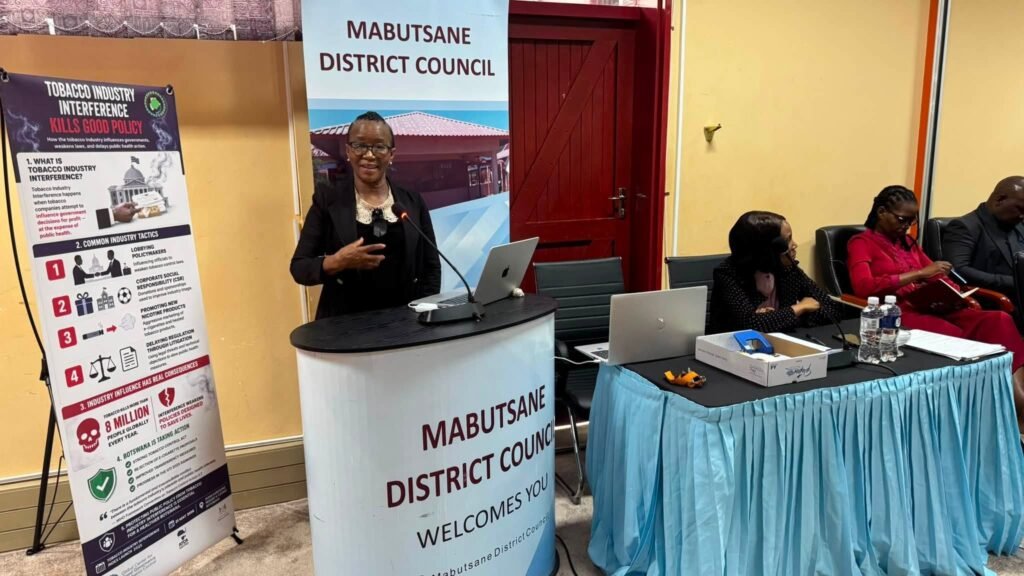

– 𝘗𝘰𝘭𝘪𝘤𝘦 𝘸𝘢𝘳𝘯 𝘵𝘩𝘢𝘵 𝘷𝘢𝘱𝘪𝘯𝘨 𝘤𝘰𝘶𝘭𝘥 𝘦𝘹𝘱𝘰𝘴𝘦 𝘺𝘰𝘶𝘯𝘨 𝘱𝘦𝘰𝘱𝘭𝘦 𝘵𝘰 𝘩𝘢𝘳𝘥𝘦𝘳 𝘥𝘳𝘶𝘨𝘴
– 𝘊𝘢𝘭𝘭𝘴 𝘧𝘰𝘳 𝘦𝘹𝘱𝘦𝘥𝘪𝘵𝘦𝘥 𝘪𝘮𝘱𝘭𝘦𝘮𝘦𝘯𝘵𝘢𝘵𝘪𝘰𝘯 𝘰𝘧 𝘵𝘩𝘦 𝘛𝘰𝘣𝘢𝘤𝘤𝘰 𝘊𝘰𝘯𝘵𝘳𝘰𝘭 𝘈𝘤𝘵, 2021
The Botswana Police Service has raised concern over the growing use of electronic cigarettes (vapes), particularly among young people, warning that vaping could expose them to other forms of substance abuse, including the use of illicit drugs such as cocaine and methamphetamine.
Speaking on the issue, Botswana Police Service Narcotics, Fauna and Flora Investigation Unit Detective Sub-Inspector Filtlhanang Kalako said police were concerned about the accessibility and growing appeal of vapes among young people.
He attributed their popularity to their attractive designs, bright colours and easy availability within communities, factors he said could make them particularly appealing to young users.
Kalako appealed to parents and guardians to be vigilant and monitor young people’s exposure to vaping products, warning that early initiation could increase the risk of nicotine addiction and potentially expose them to other forms of substance use.
“We want to appeal to parents to look out for their children, especially young people who may be interested in vaping, and ensure that they do not have access to these products at an early age. The earlier they are exposed to vaping, the higher the possibility of addiction and potential involvement in the use of hard drugs,” he said.
He further cautioned about what he described as a possible progression from vaping to the use of other substances, including cigarettes, cannabis, cocaine and methamphetamine.
“The relationship is very simple: introduction to vaping may lead to cigarettes, cigarettes may lead to cannabis, and cannabis may lead to the use of cocaine or methamphetamine,” he said.
The concerns surrounding youth vaping are also reflected in warnings issued by the World Health Organization (WHO), which maintains that e-cigarettes are harmful to health and are not safe, particularly for children and adolescents.
According to WHO, most e-cigarettes contain nicotine, a highly addictive substance that can negatively affect brain development in young people, with potential consequences for learning and increased susceptibility to nicotine dependence. WHO also warns that e-cigarette aerosols contain toxic substances, some of which are known to cause cancer, while others increase the risk of heart and lung disorders.
Beyond the concerns surrounding substance use, Kalako called for the expedited implementation of the Tobacco Control Act of 2021, saying the absence of supporting regulations creates challenges for law enforcement agencies and local authorities in regulating e-cigarettes.
He said the Act would provide an important legal framework for addressing the use and regulation of vaping products, adding that law enforcement agencies were hopeful that the process of finalising and signing the regulations would be accelerated to allow for its full implementation and enforcement.
The Tobacco Control Act was passed by Parliament in 2021, but its implementing regulations are yet to be signed. The legislation recognises electronic cigarettes as tobacco products, providing a legal basis for their regulation in Botswana.
Kalako’s concerns add to growing calls for stronger tobacco control measures, particularly those aimed at protecting young people from nicotine addiction and the potential risks associated with early exposure to vaping products.