
The tobacco industry is taking advantage of the delay in bringing Botswana’s Tobacco Control Act of 2021 into operation, using the regulatory gap to aggressively market emerging tobacco and nicotine products, particularly to young people.
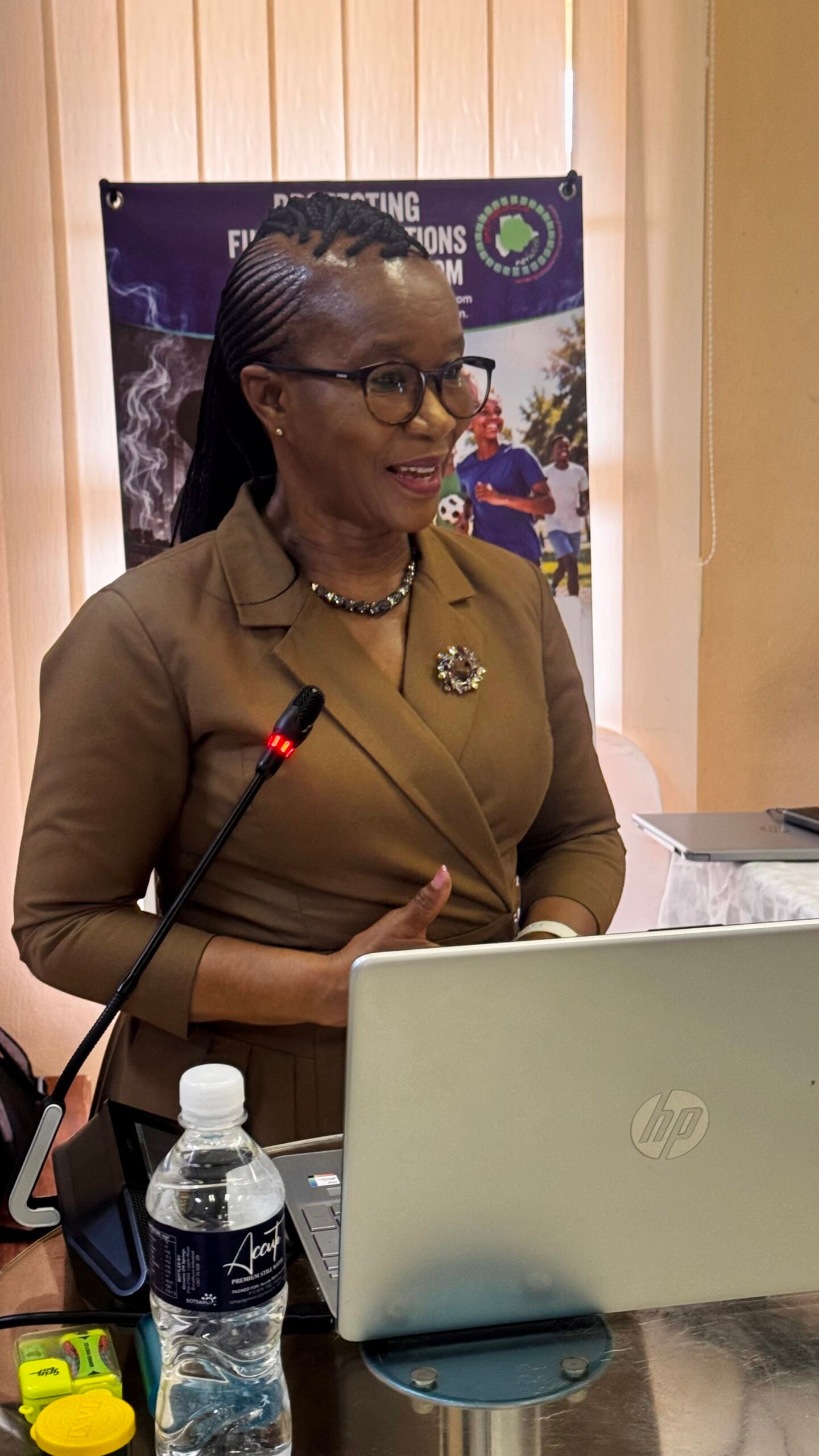
Anti Tobacco Network Executive Director, Professor Bontle Mbongwe told a Gaborone City Council full council meeting on Friday that the regulations required to operationalise the Act have still not been signed, five years after the legislation was passed by Parliament.
Prof Mbongwe was addressing councillors under the Clear Air Project Botswana: Fast Tracking Tobacco Control Regulations, an initiative aimed at pushing for the implementation of the regulations.
She said the delay has created an environment in which tobacco companies and other industry players could market products such as electronic cigarettes, commonly known as vapes, with limited regulatory enforcement.
“While the regulations are just sitting, not being signed, there are those who are benefiting from it. They are busy marketing their products because they know the law is still not being used,” she said.
Prof Mbongwe expressed particular concern about the growing popularity of new and emerging nicotine products among young people, saying many parents were unaware of the extent to which such products were being marketed to children and teenagers.
“What is even more scary is that they have now shifted from the ordinary cigarette. They are marketing vapes and a lot of parents don’t know about it,” she said.
She said vaping products could expose users to high levels of nicotine, which is highly addictive, and warned that young people were particularly vulnerable to nicotine dependence.
According to Prof Mbongwe, the Tobacco Control Act, 2021 is important because it provides a legal framework for regulating tobacco and nicotine products, including electronic cigarettes and other emerging products. It also provides for measures aimed at protecting the public from exposure to tobacco smoke, including restrictions on smoking in public places.
“The only Act, as we speak in this country, that calls vapes for what they are is the Tobacco Control Act, 2021, which is not yet in use. This is why the industry is in full market force because they know there is no law that restricts them at the moment,” she said.
She further argued that the Act was not only about cigarettes and vaping, but addressed a broader range of public health concerns associated with tobacco use and exposure to tobacco smoke.
Globally, tobacco use is responsible for millions of deaths every year and is linked to a range of serious diseases, including lung cancer, heart disease, stroke, chronic obstructive pulmonary disease and other respiratory illnesses. Tobacco use is also associated with cancers of the mouth, throat, oesophagus, stomach, liver, pancreas, kidney and bladder, among others.
Prof Mbongwe said non-smokers were also at risk through exposure to second-hand smoke.
She raised concern about restaurants and other establishments in shopping malls where smoking areas are located close to children’s recreational and playing spaces.
She said such arrangements could expose children and other non-smokers to second-hand smoke despite them having no choice in the matter.
“About 600,000 people die from second-hand smoke,” she said, adding that exposure to tobacco smoke undermines the rights of non-smokers, including workers who may be employed in environments where smoking is permitted.
The councillors called for stricter enforcement of regulations in restaurants, malls and other public spaces, particularly where smoking areas are situated close to children’s play areas.
They said local authorities have a responsibility to ensure that laws designed to protect the public are enforced, rather than allowing potentially harmful practices to continue unchecked.
The councillors stressed that protecting children and other non-smokers should be a priority, particularly in places where families gather and children play.
Prof Mbongwe said there was no safe level of tobacco exposure and warned that children could be exposed to serious health risks through second-hand smoke and early exposure to nicotine.
“There is no threshold of safety for tobacco use. We are giving children diseases like cancer while they are still young because of these practices,” she said.
The councillors appeared concerned by the issues raised during the presentation and called for the regulations to be signed and implemented, citing the potential public health consequences of continued tobacco use.
Councillor Mpule Maplanka expressed particular concern over the growing use of tobacco and nicotine products among teenagers.
“This issue of teenagers smoking is very scary. We have so many cases of school-going children; it is all over,” he said.
Maplanka called for increased education and awareness among young people, saying they should be presented with evidence of the health consequences associated with tobacco and nicotine use.
“We need more education on the issue and we need to show them the evidence that is already there on what it is doing to them,” he said.
Councillor Motlogelwa Moatlhodi also questioned why the regulations had not yet been signed despite the evidence presented on the health consequences of tobacco use.
“From your presentation, it is very clear the danger posed by tobacco use, so what could possibly be holding the regulations from being signed?” he asked.
Moatlhodi said the presentation had also changed his perspective on the economic value of tobacco.
He indicated that he had previously considered the possibility of selling tobacco because of the money it could generate, but said the health consequences outlined during the presentation had caused him to reconsider that position.
The councillors’ concerns come amid continued calls from tobacco-control advocates for Botswana to expedite the implementation of the Tobacco Control Act and strengthen enforcement measures aimed at protecting the public, particularly children and young people, from tobacco and nicotine-related harm.