
The future of tobacco control in Botswana is closely tied to the successful implementation of the Tobacco Control Act, 2021. Although the Act has already been passed, its full operationalisation remains pending as of early 2026 due to the need for ministerial regulations. These regulations are a critical step, as they provide the practical framework required to enforce the provisions of the law, translate policy into action, and guide institutions responsible for implementation.
Once fully operational, the Act is expected to significantly strengthen Botswana’s tobacco control landscape by providing a comprehensive legal basis for regulating tobacco use, marketing, packaging, and public exposure to tobacco smoke. It also has the potential to align national efforts more closely with international obligations under global tobacco control frameworks, reinforcing commitments to reduce the health and socio-economic burden associated with tobacco use.
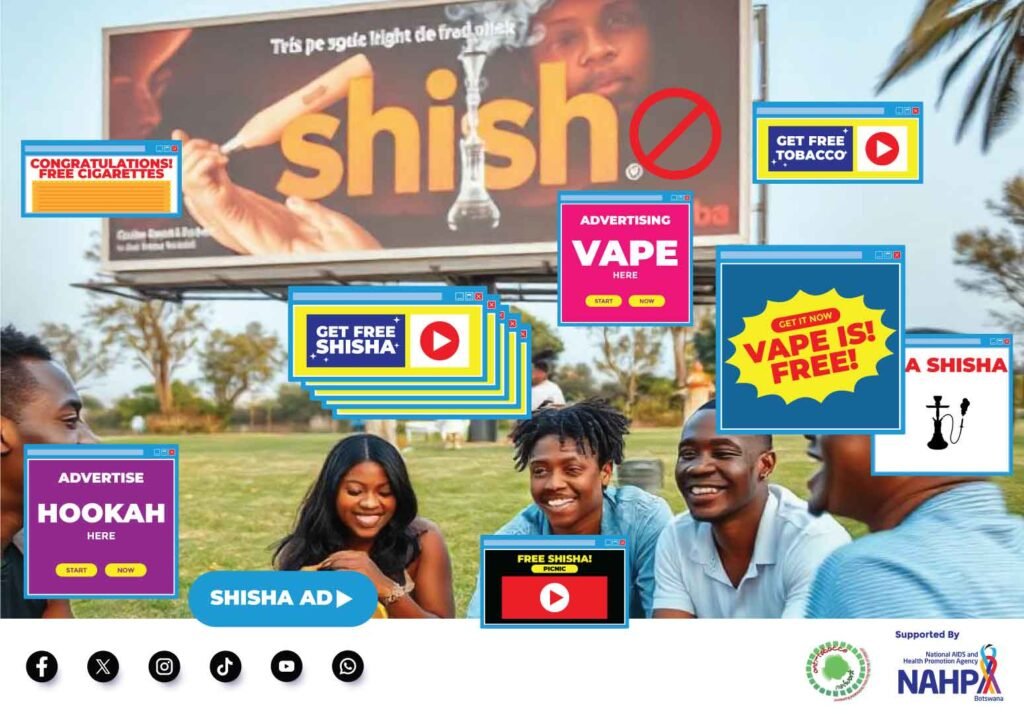
In its current state, the future of tobacco control depends not only on the existence of the legislation but on the pace and completeness of its implementation. The development and adoption of clear, enforceable regulations will determine how effectively the law can address key public health priorities such as prevention of initiation among young people, protection from second-hand smoke, regulation of emerging nicotine products, and control of tobacco industry practices.
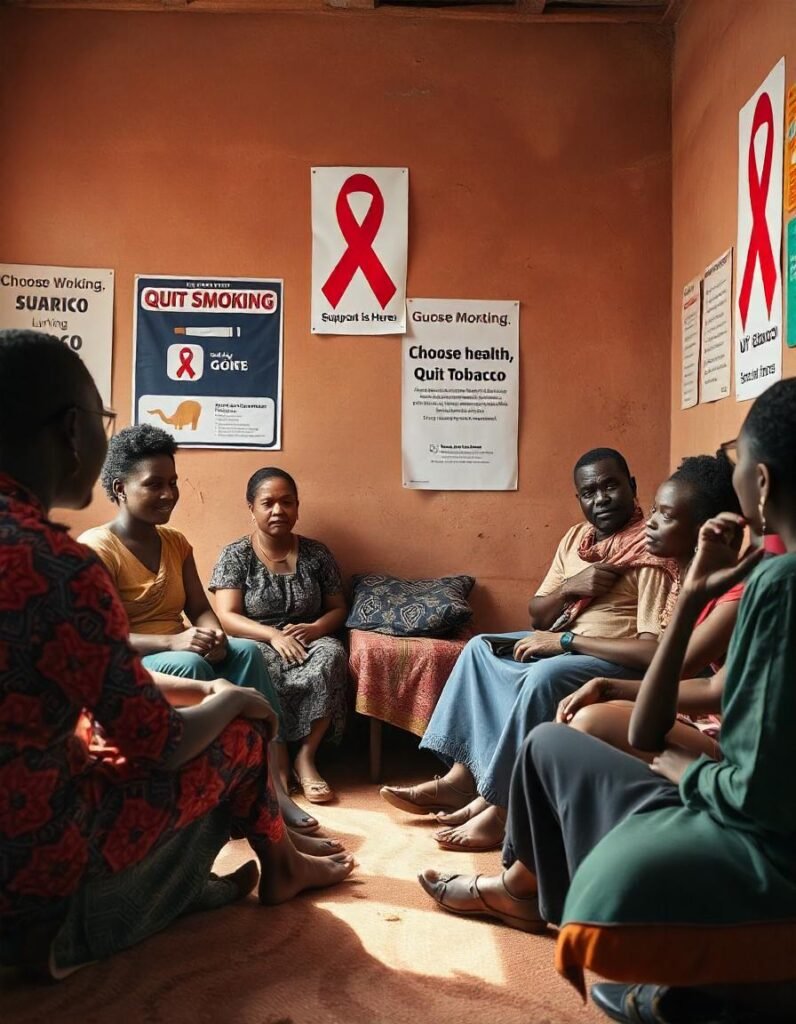
Civil society organisations, including advocacy and public health groups, are expected to continue playing a critical role in supporting this transition. Their contributions typically include raising awareness, engaging stakeholders, supporting community-level education, and encouraging accountability in the policy implementation process. At the same time, coordination among government institutions will be essential to ensure that enforcement mechanisms are clear, adequately resourced, and consistently applied across sectors.
Looking ahead, tobacco control in Botswana is likely to evolve into a more structured, legally grounded system once the Tobacco Control Act, 2021 is fully operational. The effectiveness of this future, however, will depend on sustained political will, timely regulatory action, intersectoral collaboration, and continued engagement from both government and non-government actors to ensure that the objectives of the law are realised in practice.