Each year on 24 March, the world marks World TB Day – a reminder that tuberculosis (TB) remains one of the deadliest infectious diseases globally. While much attention is placed on diagnosis and treatment, one major driver of TB continues to be overlooked in everyday conversations: tobacco use.
At the community level, this is where organisations like the Anti-Tobacco Network (ATN) step in.
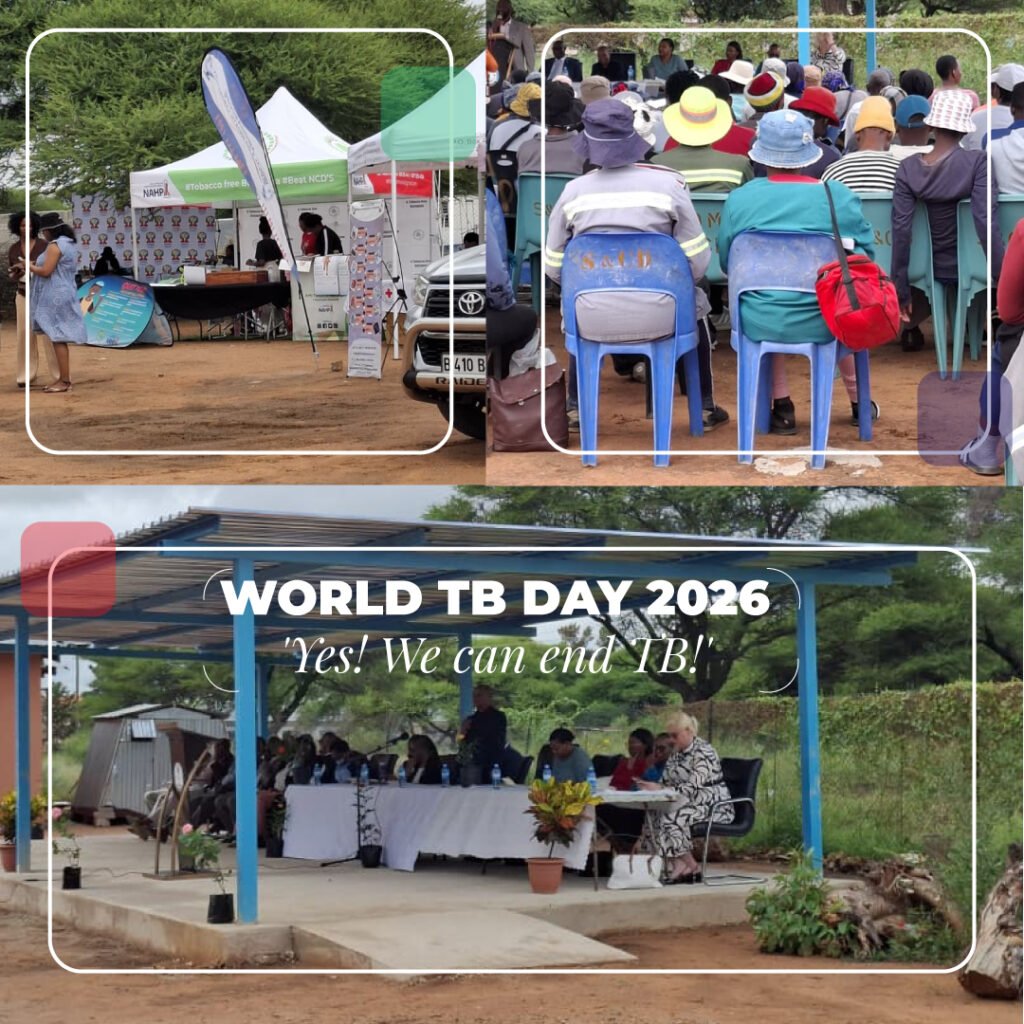
Across Botswana – from urban centres to rural villages – ATN continues to engage communities, raise awareness, and advocate for stronger protections against tobacco exposure. Whether through outreach events, school engagements, or health campaigns, the message is consistent: protecting people from tobacco is also protecting them from diseases like TB.
The hidden link between tobacco and TB
TB is caused by bacteria that primarily affect the lungs. Smoking directly damages these lungs, weakening the body’s ability to fight infection.
This is not speculation — it is well established in public health research.
When someone smokes:
The lungs’ natural defence systems are impaired. Tiny hair-like structures (cilia), which help clear out harmful particles and bacteria, become damaged and less effective. This creates an environment where TB bacteria can enter, survive, and multiply.
At the same time, smoking weakens the immune system. A weakened immune response means the body is less able to contain TB infection, increasing the likelihood that latent TB (inactive infection) progresses to active disease.
For those already diagnosed with TB, smoking makes things worse:
Recovery takes longer
Treatment outcomes are poorer
The risk of complications increases
The likelihood of death is higher
There is also a broader public health concern. People who smoke are more likely to spread TB because coughing — a common symptom of both smoking-related lung damage and TB — facilitates transmission.
Secondhand and thirdhand smoke: an overlooked danger
The risk is not limited to smokers.
Secondhand smoke – the smoke inhaled by those nearby – exposes families, children, and co-workers to the same toxic chemicals. This exposure increases their vulnerability to TB infection.
Thirdhand smoke, the toxic residue left on clothes, furniture, and surfaces, adds another layer of risk. Infants and young children, who are often in close contact with caregivers, are especially vulnerable. They inhale or absorb these harmful chemicals long after a cigarette has been extinguished.
In communities where TB is already present, these exposures compound the problem.
Why this matters for Botswana
Botswana has made significant progress in tackling TB through strong health systems, screening programmes, and treatment access. However, tobacco use threatens to undermine these gains.
When tobacco weakens individuals and households, it creates conditions where TB can persist and spread more easily.
This is why addressing tobacco use is not separate from TB control – it is central to it.
ATN’s role in protecting communities
At the grassroots level, ATN continues to:
Raise awareness about the health risks of tobacco, including its link to TB
Engage schools and protect young people from nicotine addiction
Advocate for stronger policies to limit exposure to tobacco smoke
Work alongside partners to promote smoke-free homes and public spaces
Community education remains one of the most powerful tools. When people understand the connection between tobacco and TB, they are more likely to take action – to quit, to protect their families, and to demand safer environments.
A call to action
Ending TB is possible. But it requires more than medicine.
It requires prevention.
It requires protecting lungs before they are damaged.
It requires reducing tobacco use and eliminating exposure to tobacco smoke — in homes, workplaces, and public spaces.
This World TB Day, the message is simple:
If we are serious about ending TB, we must also be serious about ending tobacco harm.
Your health. Your family. Your future. Choose smoke-free living.